

What Living Abroad Taught Me About Design
When my husband and I moved to Barcelona in our late twenties (him for an international MBA, me following the opportunity for something new—I wasn’t working as a designer), I was taking Spanish classes full-time and just...living. Walking through old neighbourhoods, noticing how people lived and moved through their spaces. Without a project to deliver or a client to report back to, I was absorbing everything around me. And somewhere in all of that, my entire sense of what makes a space work quietly shifted.
Here's what that taught me.
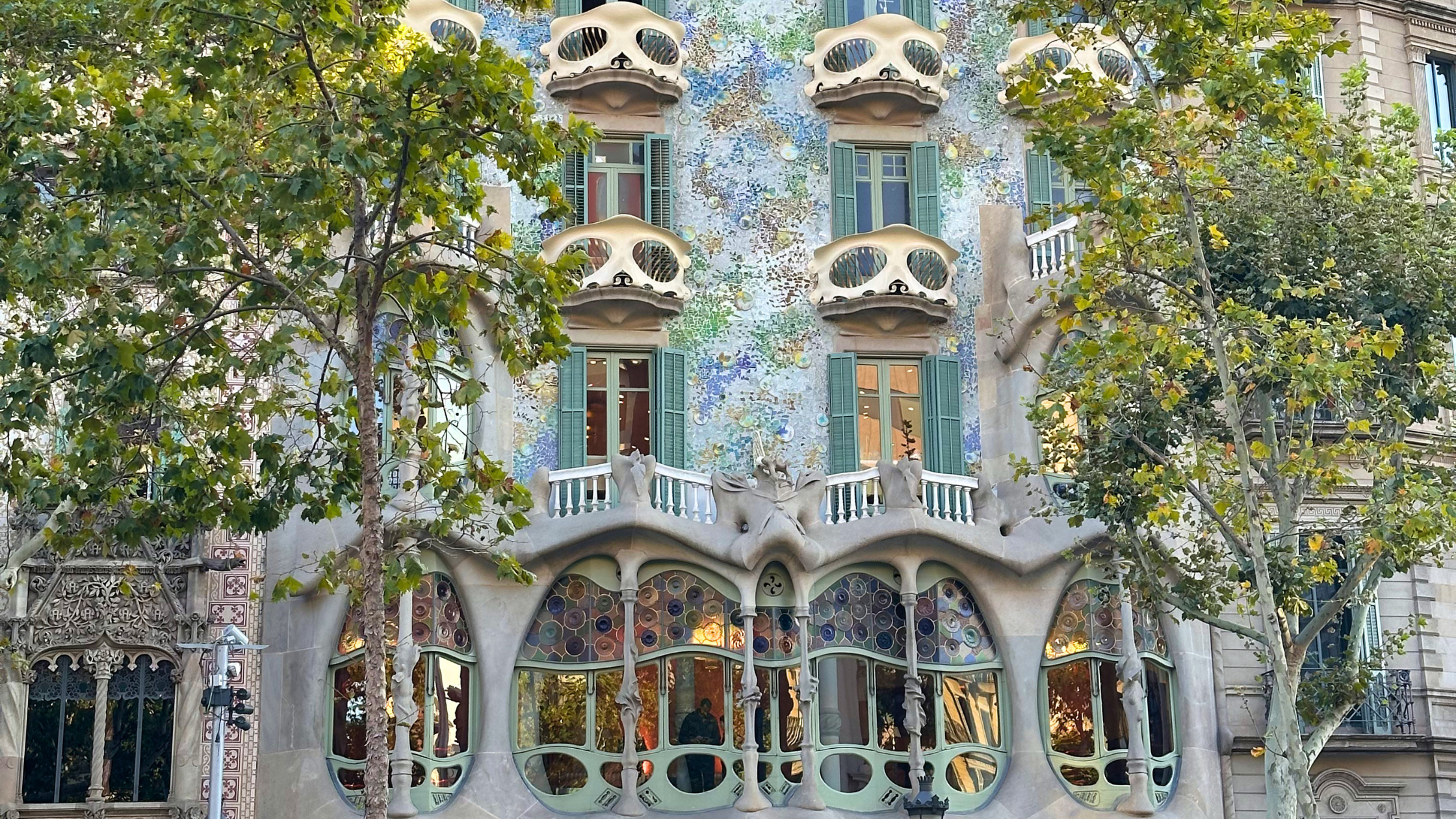
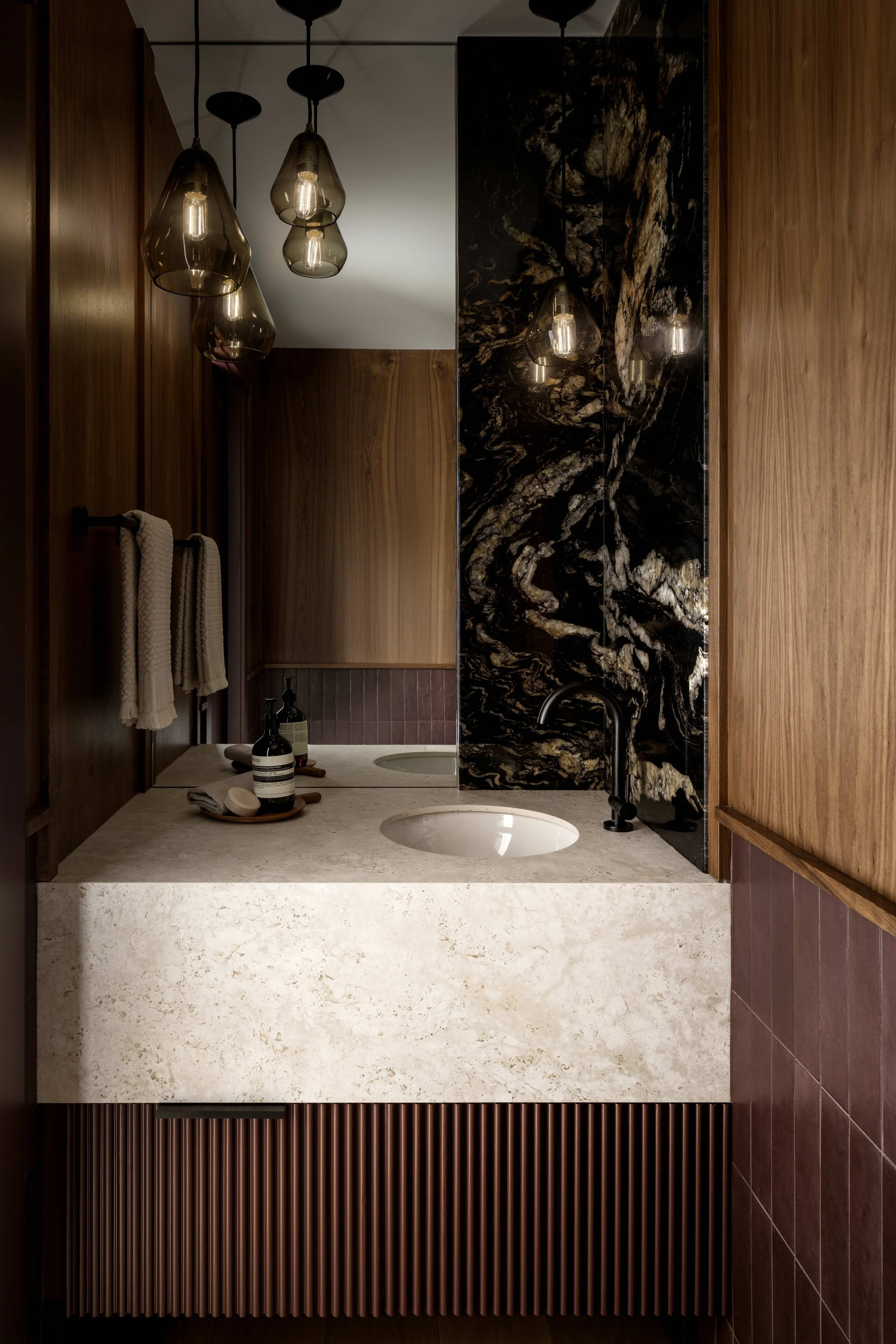
What 8,000 kilometres does to the eye
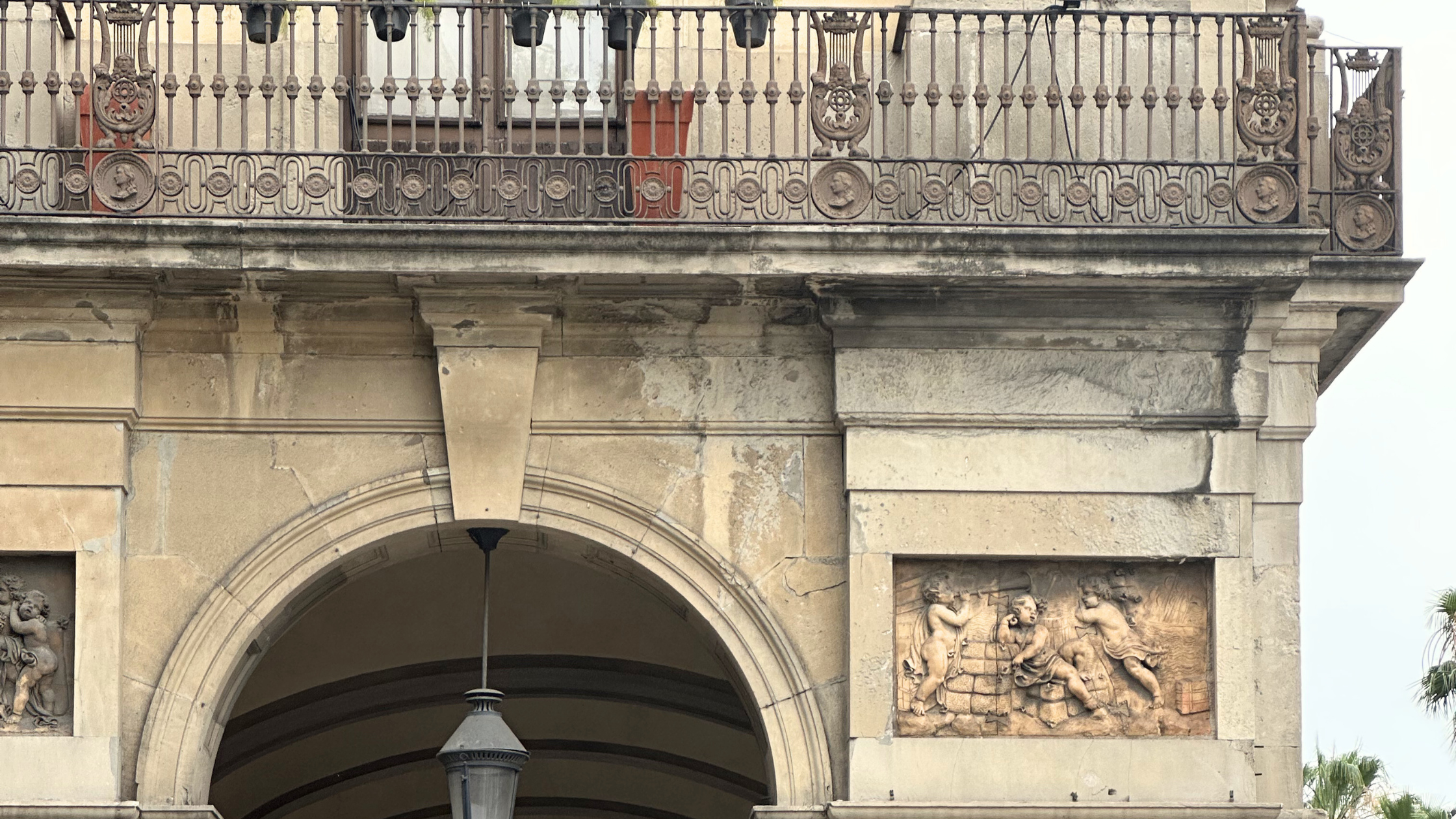
You start noticing a pattern when you leave home long enough: we love new. New finishes, new builds, clean lines with nothing lived-in about them. It's comfortable and familiar, until you're sitting in a centuries-old café in Barcelona and you realize the floor beneath you has been worn smooth by a few hundred years of foot traffic, and it's the most beautiful thing in the room.
Imperfection carries a different weight over there. Ancient cathedrals and boutique hotels aren't fighting their age, they're wearing it. The patina earned over centuries is exactly what gives them warmth, character, the sense that something real happened here. The wear is in the story.
So next time you're hesitant about natural stone because it might show wear, think about what those marks actually represent. The scratch on the kitchen counter from the night you were cooking with friends. The worn edge of the island where your kids sit every morning before school. Natural materials are records of time, and a surface that tells that story is worth far more than one that never will.
Other people's spaces are your best research
Staying in other people's spaces is genuinely one of the best continuing education tools I've found, and I mean that literally, not poetically.
A few years ago we rented a place where you couldn't open the dishwasher and the fridge at the same time. The doors swung into each other. Every single unit in that building had the same problem. Someone made that decision at the design stage and it quietly affected hundreds of families cooking dinner every night. People often don't feel the impact of a layout decision until they're living with it, which is exactly the reason to bring a designer in before construction, not after.
But the learning goes both ways. Smaller European kitchens taught me something about function and priority. In a lot of the places we've stayed in Spain, France, and Italy, the kitchen is compact and totally purposeful. There's no wasted square footage. What gets the space and the intention is the table, the gathering, the eating together.
It changed how I think about where to put the emphasis in residential design, especially for families. The kitchen doesn't need to be the showpiece. The place where your family actually sits together might deserve that investment a bit more.
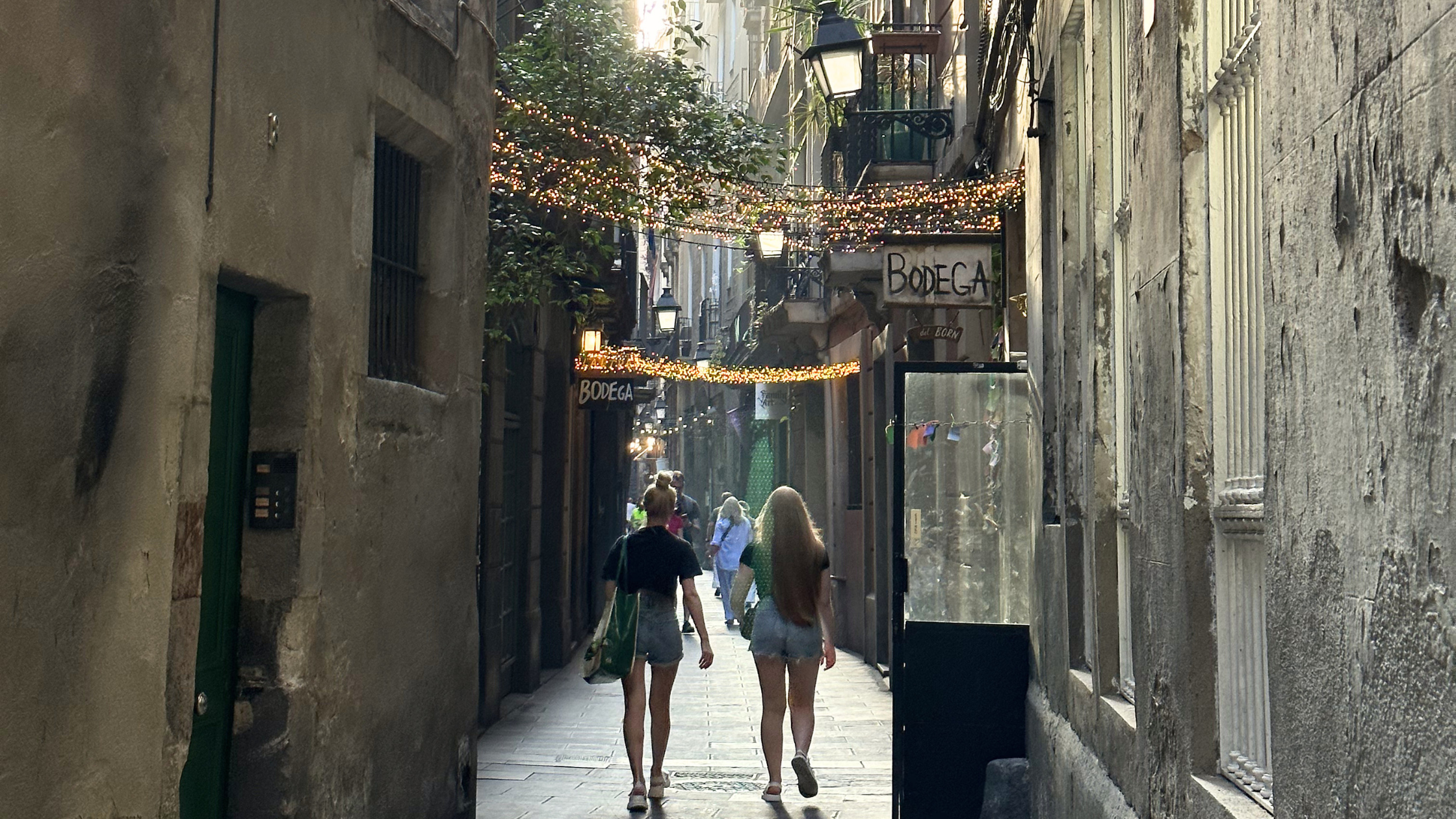
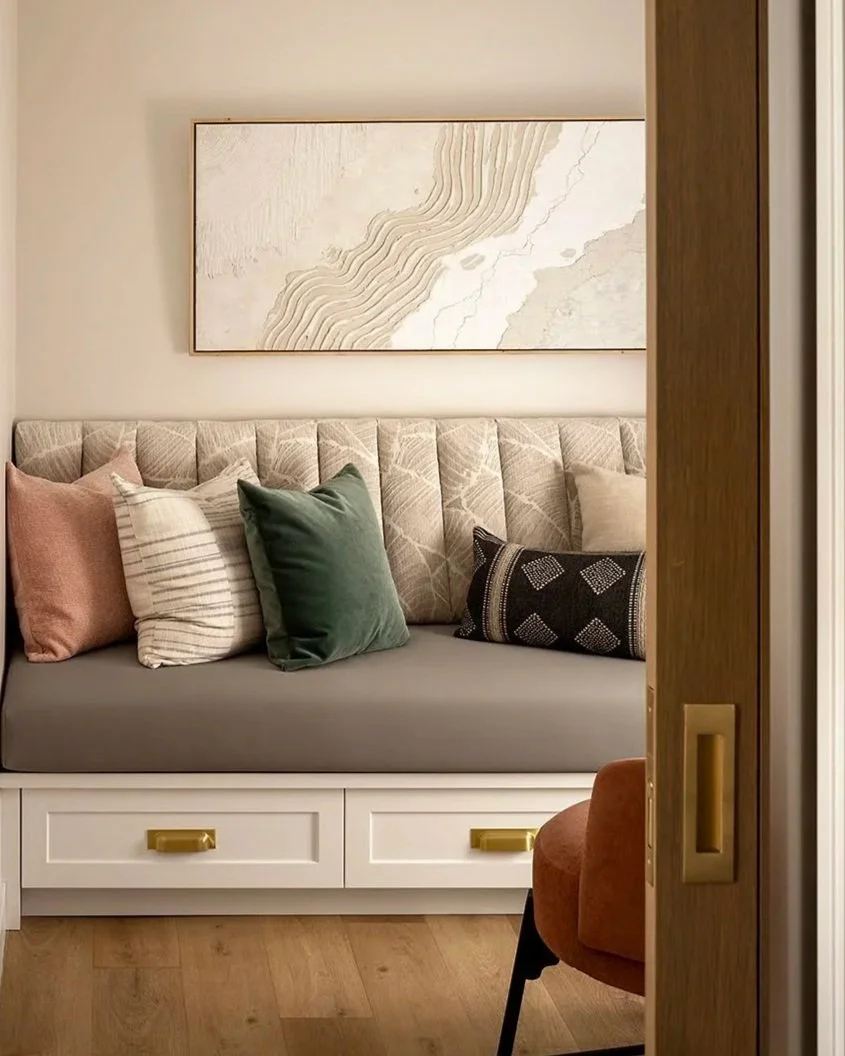
Keep the bedroom cozy, invest in where you gather
This one comes up now in client meetings more than I expected.
Travelling with a family of five, we've spent a lot of time in vacation rentals and hotels where the kids' rooms are small. They’re functional, comfortable, but not elaborate. And without fail, the kids come out. They're with us. We're connected in a way that doesn't always happen at home when everyone retreats to their own oversized space.
So now, when clients are designing a home in Canmore or planning a kids' wing, I'll actually recommend keeping bedrooms cozy and intentional rather than massive and feature-rich. The gathering spaces: kitchen, family room, wherever your family actually lands together, those deserve the real investment. A well-designed common area will do more for your family's daily life than a bedroom your teenager never leaves.
Old things carry weight
One of the biggest shifts that came from living in London was a new respect for old things. The access to antique markets, the cultural instinct toward repurposing rather than replacing. And because of that, now one of the first questions I ask any client is: Is there anything you want to keep?
Not because I'm trying to save them money, but because pieces with history tend to be the ones that make a space feel like it actually belongs to someone. An heirloom dresser with a fresh coat of paint, a lamp picked up in a market abroad, an object from a trip that meant something. Those things tell me more about who a client is than any Pinterest board. They're also usually the starting point for the whole design.
You'd be surprised to know how many palettes were built entirely around a single piece someone almost left behind.
Take notes everywhere you go
The through-line in all of it (Barcelona, London, every rented kitchen and boutique hotel room since) is that good design is about how people actually live. Not how a space photographs, and not whether it'll look current for the next two years.
Every time I leave my own space and spend time in someone else's, I come back with something. A closet detail from a hotel in Greece that made its way into the next project. A new appreciation for a smaller fridge. A reminder that families who eat together probably need a better table, not a bigger kitchen.
And here is the best part, moving abroad isn't the prerequisite. You don't need a flight across the Atlantic to start seeing spaces differently. A weekend trip, a friend's house, even a hotel room in the next city over will do it. The practice is just paying attention. Every space you move through is quietly giving you information about your own home, you just have to be paying attention when it does.