

Making the Most of a Home That's Grown Quieter
There's a particular quiet that settles into a house once the children have gone. The morning traffic jam outside the bathroom disappears. Doors stay shut on rooms nobody's slept in for months. And in that stillness, a familiar question tends to surface for many: is it time to sell?
Downsizing gets treated as the natural answer for this stage of life, almost a rite of passage. I understand the appeal. Some of the couples I work with are ready to trade square footage for freedom: they want to travel, to spend a few winter months somewhere warm, or to put their equity toward a cabin where the whole family can gather on long weekends. For them, a smaller, efficient home in the city is exactly right.
That's only one version of the story, though. Plenty of you may have no interest in leaving at all. Your house holds decades of memory, and your grown children (many with partners and little ones of their own now) still turn up most weekends. What you're after is a home that flexes to hold everyone, rather than one that asks them to shrink their lives to fit it.
If staying is the plan, the work becomes figuring out what all that square footage should do for you now.
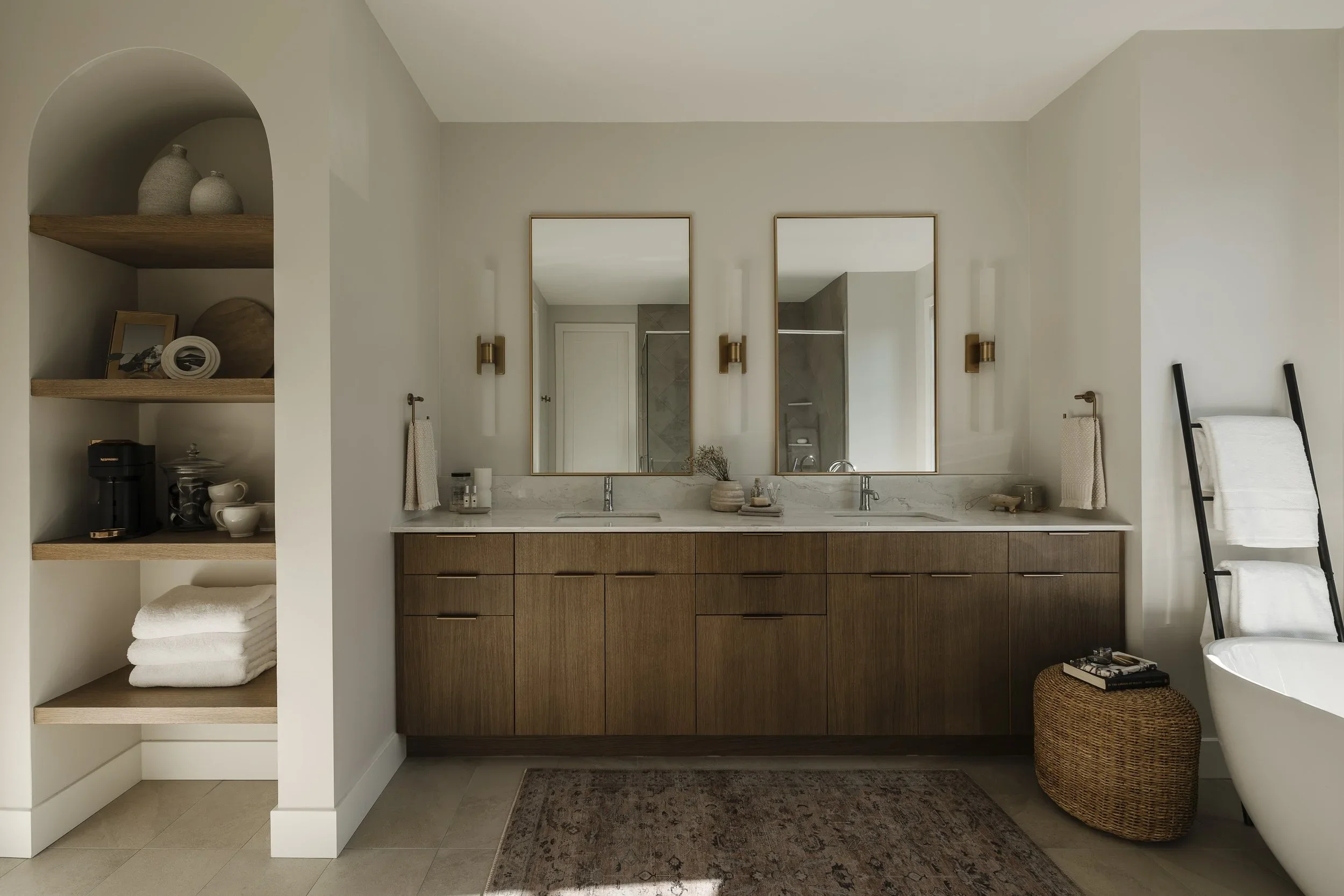
Start with how you live now
Before I talk about paint or furniture or floor plans, I want to ask you honestly how your household moves these days. Who visits, and how often? Where does everyone drift once they're together? The answers usually point the way.
Sometimes a spare bedroom becomes a proper guest room at last. Sometimes we move an adult child down to a private suite in the basement, so they have their own front door when they stay. And frequently, as families grow outward instead of getting smaller, we're expanding the rooms where people gather. I've opened up more than one dining room so it can finally seat everyone who shows up for Sunday dinner.
There's a quieter permission in this chapter, too. By the time the kids have moved out, the furniture has usually taken a beating. Starting fresh means choosing for the people who actually live there, no more holding out for a sofa that can survive toddlers and grape juice.
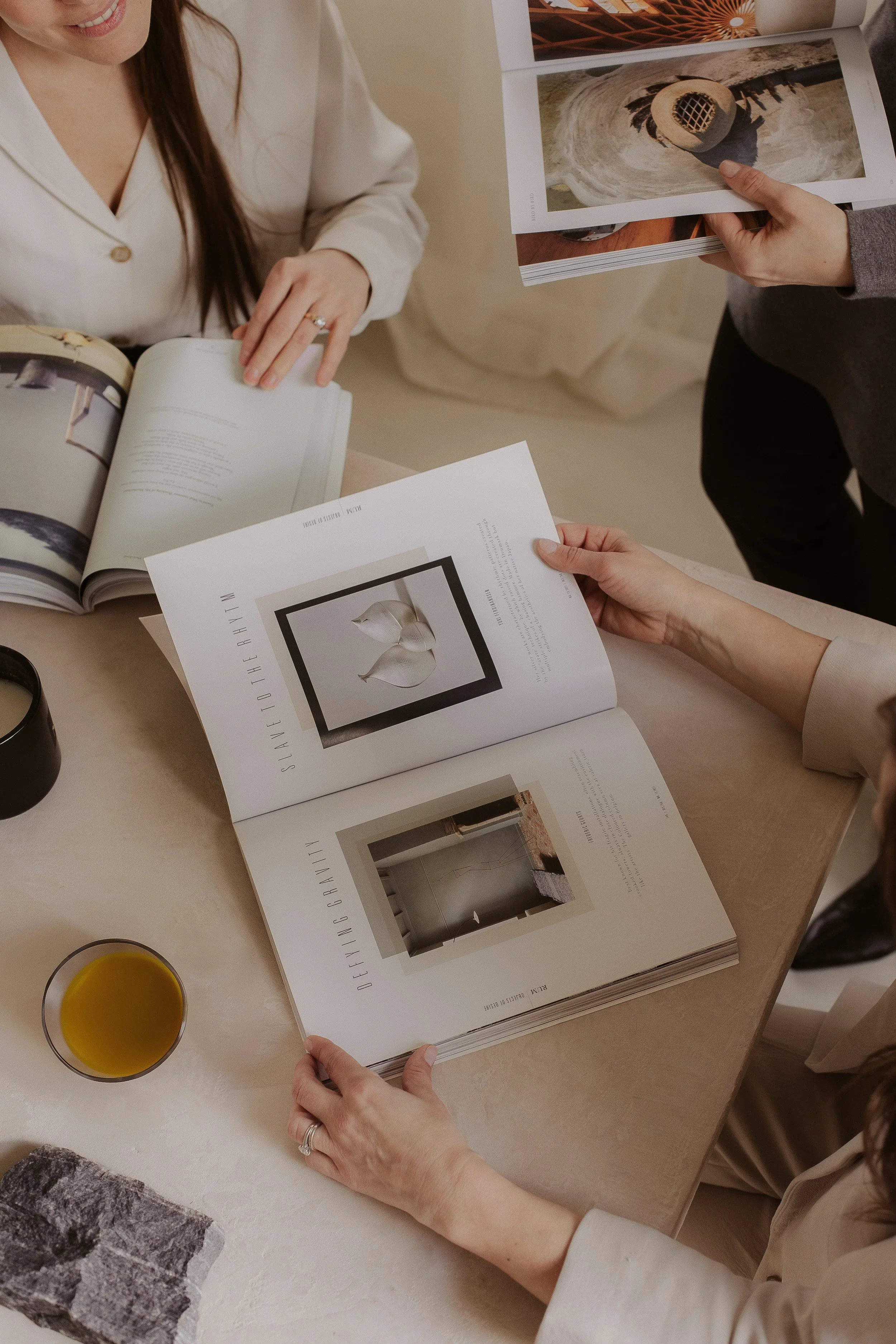
Rooms that finally get to be yours
The projects I find most rewarding at this stage are the ones where a room becomes something someone has quietly yearned for years. A handful I’ve loved bringing to life recently are:
A music room, insulated so the sound stays where it belongs and the rest of the house keeps its peace.
A yoga and wellness retreat, kept calm and uncluttered, with soft, layered lighting that makes the room easy to unwind in.
An art studio, designed around the actual work, cleanable floors in place of carpet, and task lighting bright enough to paint by.
A crafting room for someone with a serious paper collection, where we built custom cabinetry sized to hold every stock and sheet she worked with.
What ties these together is specificity. A hobby room only earns its keep when it's built around the hobby itself, right down to the storage and the light.

Designing for the next twenty years
This is where planning for empty nesters parts ways with planning for a young family. After more than two decades of designing homes and managing the builds behind them, I've learned that the kindest thing you can do for your future self is to think about accessibility before you need it. When I map out a home meant to carry someone comfortably into their seventies and beyond, I'm looking well ahead. Is there a full bathroom on the main floor? Could this doorway be widened someday without any wall tearing? Small choices made now can spare a major renovation later, and let people stay in the home they love.
A home that keeps pace with you
That's really the thread through all of this. This is the moment you finally choose the white sofa you've admired for years, and with the performance fabrics available today, you can have it without bracing yourself every time guests arrive. The house that once had to survive everyone can now be shaped entirely around you.
So when the rooms grow quieter, I'd gently push back on the idea that the only move is a smaller one. That extra space becomes an invitation for you to make the place your own, on your own terms.