

All the Ways to Maximize Natural Light in a Home
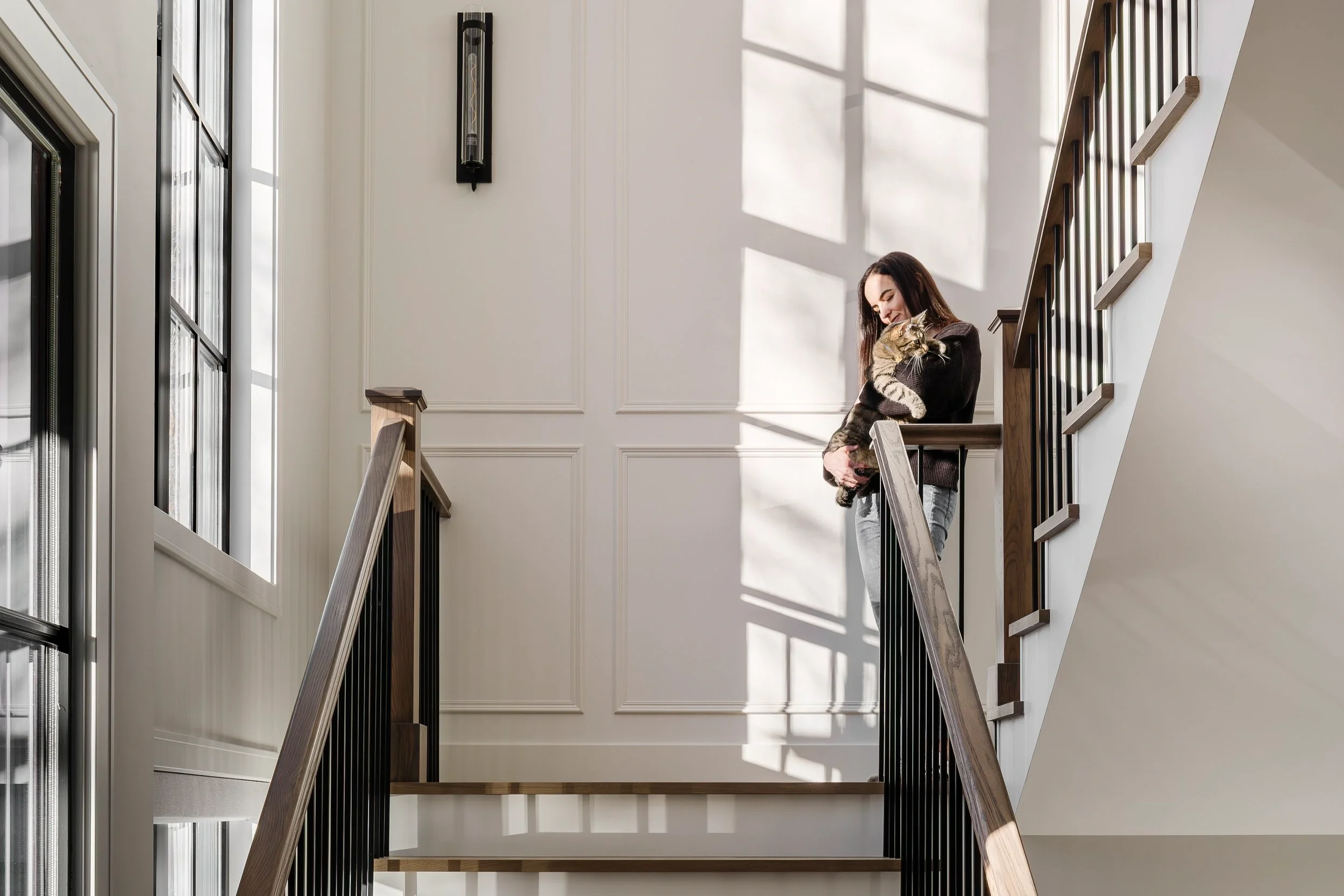
By the time a client calls me about a room that isn't working, they've usually figured out it feels dark. What they haven't figured out is why, because the room itself is fine. It's well laid out, it's furnished the way they pictured it, and it still feels flat, because the light in it isn't doing what it should.
Natural light changes how a room behaves. It lifts your mood, makes a space read larger than its actual square footage, and cuts down on how often you're reaching for a switch during the day. I notice it most through a long Calgary winter, when daylight gets scarce and every extra hour matters.
The good news is, getting more of light into a home rarely means tearing down a wall.
Small changes that make a real difference
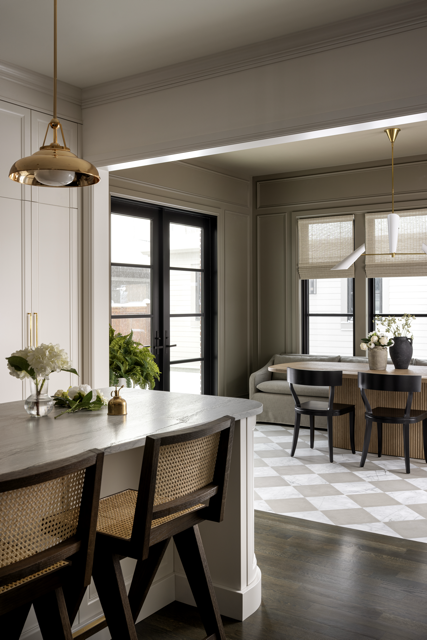
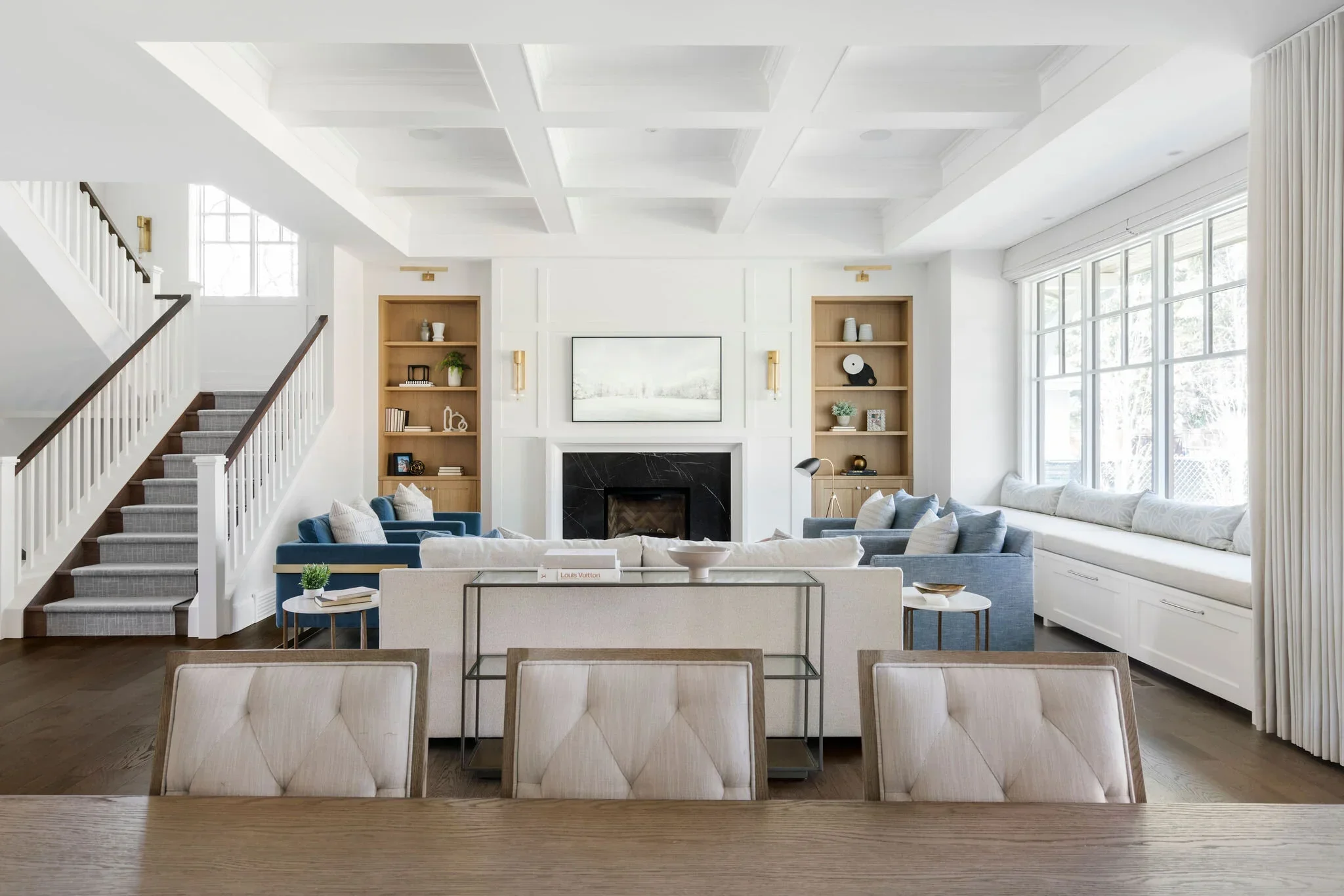
If your windows are currently dressed in heavy Venetian blinds, that's probably your biggest culprit. Even fully open, those slats block more glass than you'd think. I often suggest swapping them for sheer drapery or roller screens instead. Both let light pour through and leave the window completely clear when they're open.
If you're already considering new windows, look for a style with more glass and less framing. Thinner sightlines mean more uninterrupted light coming through, and it's a noticeable upgrade for something that doesn't require touching a single wall.
When you're ready for something bigger
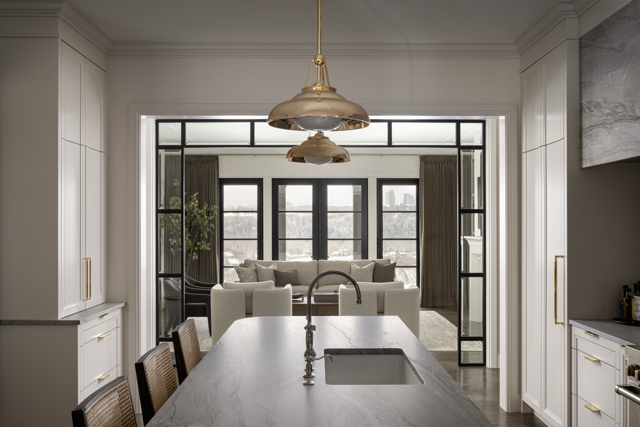
For clients planning a larger renovation, I look at a few different paths depending on the home. Replacing a standard window with a patio door, or adding an entirely new opening, can transform a room that's always felt a little dim.
Skylights come up often too, though I'm selective about where. In hallways and similar spaces, tubular skylights (sometimes called solar tubes) are a smart choice. They bring daylight down through a smaller, far less invasive structural change than a traditional skylight requires. Bathrooms are the one place I steer people away from standard skylights here in Calgary. Our climate can invite mold issues that aren't worth the trade-off.
A trick I use often
One of my favorite low-cost tools for brightening a room is something most people already own: a mirror. Hung on a wall adjacent to a window, it bounces daylight into corners or hallways that would otherwise stay dim, especially useful in an entryway that doesn't get much direct light of its own.
Placement does take some thought, though. I'm careful not to position a mirror where it might startle someone walking in, or where it reflects guests at an awkward angle during dinner. A little planning here goes a long way toward keeping the effect feeling intentional rather than accidental.
Light has Its complications
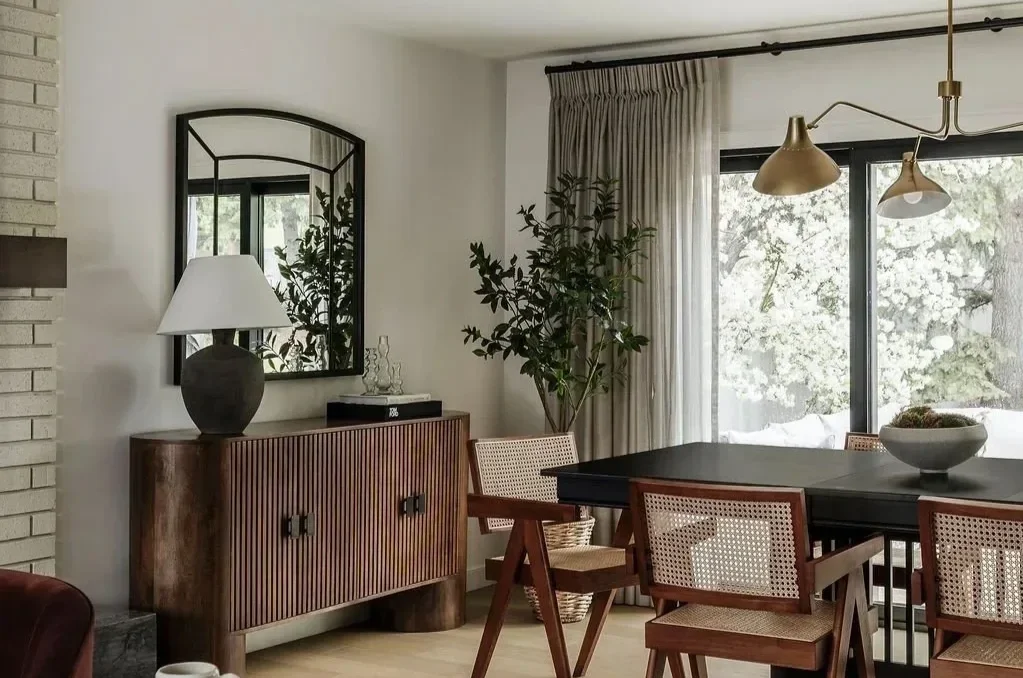
Not every room wants light the same way, and treating them all alike can create its own problems. In a media room or anywhere with a television, glare becomes the real concern, so window treatments matter as much for control as they do for style. For large, south-facing windows, I always recommend higher-quality glass with solar protection, since a bright room can otherwise overheat by early afternoon.
A bedroom that needs to stay dark well past sunrise in July calls for something heavier, like a blackout roller paired with a sheer layer so you can adjust depending on the hour. And when budget allows, custom drapery is worth the investment. Off-the-shelf panels rarely hang the way you want them to, and the difference in fit shows the moment they're installed.
My approach
Light shapes a home far more than people expect, and the difference between a dim room and a bright one usually comes down to a handful of smart choices. Sometimes the answer is as simple as swapping a blind for sheer drapery. Other times it means rethinking where the windows go altogether. Either way, I start every project with the same question: where could more light get in, and what would change once it did?